It’s a startling statistic, but around 50% of all serious electric shocks in UK homes can be traced back to errors in DIY. These include such basic failings as cutting through a power lead, drilling into hidden wiring or attempting to repair electrical items without turning them off.
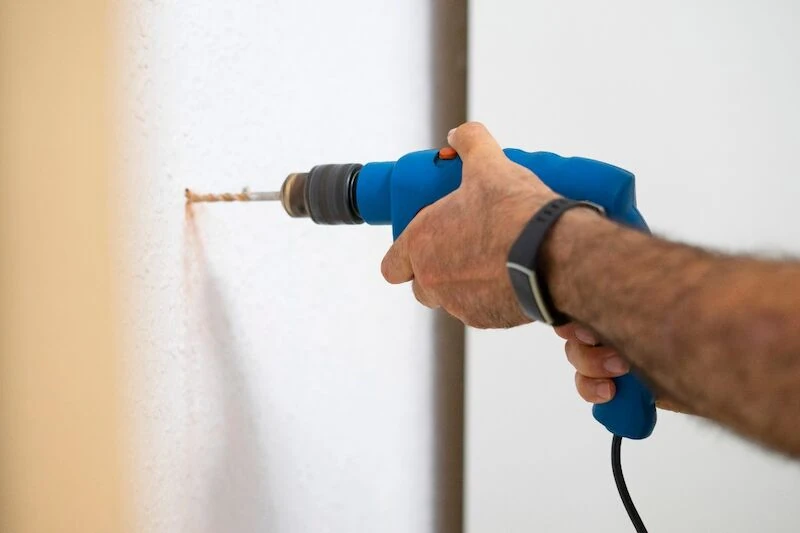
What’s more, around half of men openly admit that they feel compelled to have a go at household maintenance – or to ask a friend to help with it – before they resort to contacting a professional.
Nearly a decade ago, a survey of one thousand registered electricians found that 33% had either witnessed or been brought in to resolve electrical DIY mishaps that had been the cause of a fire or a serious electric shock, or had resulted in significant repair costs. There’s every likelihood that the situation is even worse today.
Registered electricians have all undertaken training in order to trade, but many DIYers will invariably consult Google or YouTube for guidance. While these two platforms have their uses, it’s important not to rely on them for failsafe instructions. If you’re going to do it yourself, make sure that your source of information is reputable.
Here's how to avoid the five most common DIY errors:
Identify where your cables are located
A lot of DIY tends to involve drilling, and drilling carries risks. If it’s not drilling, it’s screwing or nailing, and in any home hidden cables and wires will be lying in wait. Invest in a high-quality cable detector and you’ll be able to track – and avoid – any buried wires.
Ensure you have an RCD
A Residual Current Device (or RCD) is located in the consumer unit and will cut off the power should an electrical fault occur. Failure to have – and test – an RCD, will result in the power remaining live, and that can cause an electric shock and/or a fire.
Turn the power off
The safest way to carry out any DIY close to electrical wiring or your power supply is to shut the electricity down completely. You can check that the power is fully off by trying an appliance or flicking a light switch. If you need to use a power tool, go for a battery-powered option.
Check your tools
Unless you’re a regular DIYer, it’s likely that your tools will have been lying unused for a while, so be sure to give them all a visual inspection before plugging them in. Should you spot any signs of damage or wear and tear, have the equipment repaired by a professional or purchase a replacement.
Use a registered electrician
It’s not technically DIY advice, but one infallible way to avoid electrical accidents in your home is to seek the help of a professional electrician. Ultimately, if you’re not completely sure or confident, don't contemplate DIY. Carrying out your own DIY also brings the risk of falling foul of rules such as Part P of the Building Regulations, the legal framework that covers homeowners who are having work done in their homes. Part P stipulates that work which is deemed more dangerous – such as in a bathroom or the installation of a new circuit – must be undertaken or reviewed and signed off by a registered electrician. The majority of electrical work in the home is classed as ‘notifiable’, meaning that by law the local authority must be informed and it must be certified by a registered electrician.
At MS Electrical we offer PAT testing, fixed wire testing and EICRs in Cambridge. To request a no-obligation quotation please call us on 01223 850301 or complete our enquiry form.